

YouTube Marketing for Doctors: Practical Tips for Promoting Your Clinic
Practice Resources|February 22, 2026

MedReviews
MedReviews
Your patients arrive after conducting thorough research online, and a significant portion of the content they consume is video. They no longer read long texts on websites. They ask AI and dig through social media, and all search engines place significant emphasis on video content. If you're not there – you simply don't exist in their minds.
While Instagram and TikTok are the internet's "playground", YouTube has become a kind of university – a source of knowledge consumption (whether medical, technological, or even basic knowledge like how to replace a car remote battery). YouTube is an arena that allows you to "multiply" your time: you explain once, and that explanation is on the internet, accessible to everyone. You can direct people to it as an answer to questions, and it obviously also serves as a very effective marketing tool.
YouTube allows doctors to turn their knowledge into a profitable asset and build digital authority that no algorithm or AI robot will be able to replace. Let's learn how to do it right.
Why is YouTube an important arena for doctors?
To understand the power of YouTube, you need to stop thinking of it as "just another social network". YouTube has established itself as a unique hybrid between a search engine, a private television network and a learning community. While other platforms focus on momentary entertainment, YouTube focuses on problem-solving and deepening knowledge.
The biggest change we've seen in the last two years is the fact that people have moved to watching YouTube on large television screens (smart TVs). People no longer watch long videos only on their smartphone on the bus; they sit in the living room in the evening and watch carefully chosen content. For a doctor, this is an unprecedented opportunity: you get the full attention of a potential patient in their most comfortable environment, on the big screen, in high quality.
Another critical advantage is the longevity of content. On social networks like TikTok, a post or video disappears within hours into the abyss of the feed. On YouTube, content is an "evergreen" asset. A video you upload today, explaining in detail about a specific medical procedure, will continue to appear in Google and YouTube search results three or four years from now. In fact, medical videos tend to gain momentum over time, as they accumulate credibility and view data. This is a digital asset that continues to work for you and generate leads for your clinic while you sleep or are on vacation.
YouTube vs. Instagram and TikTok: the patient's psychology
One of the most common mistakes doctors make is attempting to "replicate" content from one platform to another without understanding the different psychological context in which the user finds themselves. The difference between YouTube and fast social networks (TikTok and Instagram Reels or Stories) is the difference between "discovery" and "search".
When a user scrolls through TikTok or Instagram, they are in a passive mental state of entertainment. They are looking for distractions, quick dopamine, and generally are not looking for a solution to a painful medical problem at that moment. The algorithm "throws" content at them that they might like. Therefore, these platforms are excellent for creating initial awareness and exposure to a broad and relatively young audience, but they are less effective at converting a viewer into a patient who comes in for a complex surgery.
In contrast, the user who enters YouTube is in an active mental state of searching and learning. A patient who types "severe knee pain after running" or "rhinoplasty risks" into the search bar is a patient with a real pain or need. They are looking for authority. They are willing to invest 10 or 20 minutes of their time to listen to an expert explain their situation. The YouTube audience tends to be more mature, more settled in their opinions, and more willing to make significant decisions based on the content they consume. The relationship built on YouTube is much deeper; the viewer feels they "know" the doctor, their voice, their body language and their professional approach, before even picking up the phone to call the clinic.
YouTube Shorts and how to use them correctly
YouTube Shorts are vertical videos (in 9:16 ratio) designed for quick viewing on mobile, and as of 2026, they can be up to 3 minutes long (a significant change from the previous one-minute limit). YouTube's algorithm prioritizes Shorts especially aggressively based on one critical metric: the percentage of viewing versus abandonment. That is, the system measures how many people chose to watch your video versus how many "swiped" it away in the first seconds. The more the video manages to "hook" the viewer in the first 3 seconds and keep them until the end, the more YouTube will distribute it to new audiences who are not subscribed to your channel, making Shorts a powerful tool for increasing exposure and gaining new followers for the clinic.
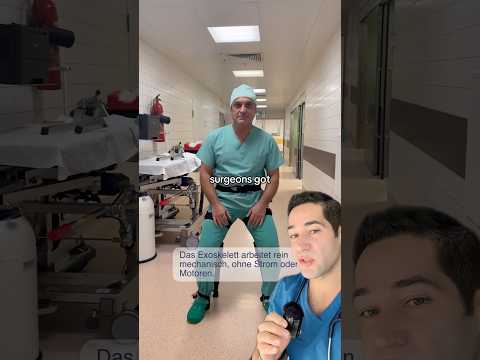
However, the use of Shorts for doctors needs to be smart and precise. Shorts are your business card, the "teaser" that attracts a new audience to the channel.
Medical content suitable for this short vertical format needs to be sharp, fast and catchy. This is the place for debunking common myths ("Think drinking lemon water dissolves fat? Here's the scientific truth"). It's an excellent format for presenting quick tips for improving quality of life, or for responding to dangerous health trends circulating online.
The short format does not allow for nuance. There is no room for complex explanations about pathologies or rare risks. The message must be simple and clear, otherwise you risk oversimplifying the profession or taking things out of context. Use Shorts to spark the viewer's curiosity and drive them to watch the full video, where you can elaborate as needed.
The main course: in-depth videos
Long videos on YouTube are where you transform from a virtual figure into a doctor the patient trusts with their eyes closed. A typical YouTube video for doctors should run between 5 and 15 minutes, and in cases of lectures or complex explanations, the video can be even longer.

The types of content that thrive in this format are varied. An in-depth explanation of procedures is a classic: take the patient on a journey. Explain what happens at the consultation, what the operating room looks like (obviously without blood or images too graphic that would result in an age restriction on the video), what to expect during the recovery period and what the realistic results are. Another powerful content type is case studies – obviously, with the patient's details fully anonymized. Tell a story: "A 40-year-old woman came to me who had suffered from migraines for a decade, and this is what we did to help her". People connect with stories, and when they see that you solved a problem similar to theirs, they project that success onto themselves.
Additionally, Q&A videos are a wonderful way to generate interaction. Collect questions asked in the comments or at the clinic and answer them in detail. This conveys accessibility and openness, and shows that you are attentive to your audience.
Professional production is mandatory
One of the things that has changed dramatically in recent years is the stimulation threshold and quality standard of viewers. If in 2020 it was possible to shoot a shaky video with mediocre sound and still get views, in 2026 this is seen as unprofessional. In the medical field, image is everything. A video that looks sloppy, dark or sounds bad, subconsciously reflects on the perception of your professionalism as doctors. The patient thinks to themselves: "If he doesn't pay attention to the small details in his marketing video, will he pay attention to the stitches in my surgery?"
The most important investment is in sound. A quality lapel microphone is a must. The viewer will forgive mediocre visuals, but will close the video within seconds if the sound is grating or unclear. Second, lighting. A well-lit face conveys credibility and health. Shadows on the face can give you a threatening or tired appearance. And finally – editing. Professional editing is not just cutting dead segments. It includes incorporating titles, 3D medical animations (which are very easy to obtain today), and angle changes that keep the viewer alert. In long videos, it is the editing that keeps the viewer and prevents them from abandoning the video.
10 strategic tips for winning medical videos
To truly succeed, it's not enough to just set up a camera. Here are ten golden principles that will upgrade your content:
1. Start with the pain, not the title: The most common mistake is opening a video with 30 seconds of self-introduction ("Hello, I'm Dr. Cohen, a graduate of medical school..."). That's boring. Attention is the most precious resource. Start directly with the problem: "Waking up at night with a burning sensation in your chest? You're not alone, and in this video we'll understand exactly why this happens". Do the self-introduction afterwards, or simply put it as a caption at the bottom of the screen.
2. Break the "medical language barrier": You're used to talking with colleagues in Latin terms, but the patient doesn't understand what "erythema" or "edema" means. Speak in simple, visual and accessible language. Don't say "there is an indication for performing a surgical procedure", say "in this case, we would usually recommend surgery". The clearer you are, the more intelligent and accessible you will appear. Use everyday metaphors to explain complex biological processes.
3. Comment management – the dilemma and the solution: The topic of comments is especially sensitive for doctors. On one hand, YouTube's algorithm "rewards" videos with lively discussion and promotes them. On the other hand, open comments invite personal medical questions ("Doctor, I got a brown mole, is it cancer?") that expose you to legal and ethical risk if you answer them, or comments from science deniers.
You don't need to close comments completely (as this hurts exposure), but manage them wisely. Set up an automatic "word filter" on YouTube for problematic words. Additionally, place a "pinned comment" at the top of each video that clarifies: "Thank you for watching. Due to medical confidentiality, I cannot answer personal questions in the comments. For a proper consultation, please contact the clinic". Don't be tempted to answer medical questions, even if they seem innocent.
4. Invest in the "packaging" (Thumbnail and title): Before anyone watches your excellent content, they need to click on it. The thumbnail is the most important thing. It should have your face clearly visible (people click on faces that express emotion), and large, readable text that complements the title without repeating it. A title like "Explanation of cataract surgery" is boring. A title like "Cataract surgery: 5 things you might not have known" will bring more views.
5. Use chapters: In long videos, it is mandatory to divide the video into chapters with timestamps in the video description. This allows the viewer to navigate exactly to the information they are looking for (for example: "recovery time", "risks", "costs"). Google scans these chapters and displays them in search results, which also helps with SEO.
6. Visualization is the name of the game: Medicine is an abstract and sometimes intimidating subject. Using anatomical models (such as a model of an ear, spine or heart) is a fantastic explanatory tool that photographs wonderfully. Simple medical animations can be incorporated into the editing that show how a drug acts in the body or how an implant integrates into bone.
7. Call to action: Don't leave the viewer hanging at the end of the video. If the goal is clinic marketing, say so clearly but gently. "If you suffer from this problem and want to check if you're suitable for treatment, you're welcome to click the link in the video description and schedule a consultation".
8. Consistency beats virality: Don't try to go viral; try to be consistent. Upload a video on a fixed day and time (for example, Tuesday at 6:00 PM). This accustoms the audience and algorithm to expect your content. One well-invested video every two weeks over a year is better than a month of daily videos followed by a long silence.
9. Leverage the description: The description below the video is valuable marketing real estate. Include a brief summary of the video (good for Google ranking), links to articles on your website, links to other social networks, and most importantly – convenient and clickable contact methods (link to WhatsApp or online appointment scheduling).
10. Be human: In the end, people choose a doctor because they feel comfortable with them. It's okay to smile, it's okay to tell a brief personal anecdote, it's okay to show empathy. Don't be robots reading text. The camera picks up fakery from miles away, but it also picks up human warmth and amplifies it.
Ethics, legal considerations and caution
As doctors, you have a far greater responsibility than that of a regular YouTuber.
First and foremost is the issue of privacy and patient confidentiality. This is a red line that must not be crossed. Never film a patient, even in the background, without explicit written consent specifically intended for social media. Face blurring is not always sufficient in the era of biometric recognition and AI. If in doubt, don't upload the image. Also, be careful when filming inside the clinic when computer screens are open with lists of names in the background – today's 4K cameras capture every detail.
Ethically, maintain a clear disclaimer. Every video must contain, in text or speech, a clarification that the information is for general education only and does not substitute for medical advice. Do not promise "guaranteed success" or "complete cure". Use careful and scientifically precise terms. Avoid presenting "before and after" photos that have been manipulated with lighting or angle, as the Ministry of Health and the Medical Association consider this to be misleading to the public.
And finally, pay attention to copyright. The use of popular commercial music in long videos is prohibited and may lead to the removal of the video or blocking of the channel. Use paid licensed music libraries that provide a license for commercial use on YouTube, or create music using AI tools. Following these rules will ensure that your channel stays up and serves you and your patients safely for years to come.
Articles in the field of Practice Resources

Physician Branding: How to Turn a New Clinic into a Leading Brand
Proper branding is not "aggressive selling", but rather your way of telling patients who you are, what you believe in, and why they can entrust their health specifically to your hands.
MedReviews

Reputation Management for Doctors: Protect Your Good Name Online
Reputation management for doctors: patients are searching for you on Google, AI and social media. The complete guide to building a credible image, handling reviews and protecting your good name online.
MedReviews

Growing Your Private Clinic: How to Attract More Patients
A practical guide to growing your private clinic: from differentiation and digital presence to reputation management, smart networking and essential business metrics
MedReviews

Outsourced Appointment Scheduling for Doctors: The Path to Higher Conversion Rates in Your Clinic
Outsourced appointment scheduling offers significant advantages over hiring a medical secretary, serving as an economic and operational growth engine for doctors
MedReviews

The Guide to Managing a Facebook Page for Clinics and Doctors
Planning to create a Facebook page for your clinic? Get plenty of practical tips - from how to build the page to what video content you should post on it.
MedReviews

What Patients See About You on Google — and How to Take Control of Your Online Reputation
What do patients see when they search for you on Google? Here's how to manage your digital reputation, deal with misinformation, and take back control.
MedReviews
Book an Appointment
The service provided through the website is not a medical service. Documentation and sensitive information should only be given to doctors.
About
MedReviews is Israel's most advanced and reliable doctor index, centralizing information and verified reviews on doctors and clinics. Part of Israel's leading review site group, we connect patients seeking quality medical care with top recommended doctors. We achieve this through rigorous verification technology ('crowd wisdom') and advanced filtering mechanisms, providing full transparency in the medical world and enabling informed choices.
Navigation
Contact UsAboutPrivacy PolicyTerms of ServiceAccessibilityMedical articlesPhoto GalleryList your practice on MedReviewsLog inSpecialist Doctors
DermatologistsGynecologistsOrthopedistsOphthalmologistsPlastic SurgeonsCardiologistsENT DoctorsPsychiatristsGeneral SurgeonsOncologistsAesthetic MedicineDentistsDisclaimer
The information and content displayed on this site is intended to provide informative information and expressive opinion on behalf of third parties only they are not a substitute for professional medical advice and should not be relied upon as such advice. Any use of the information on the site requires examination and verification with the relevant parties. Use of the site and its contents is the sole and complete responsibility of the user